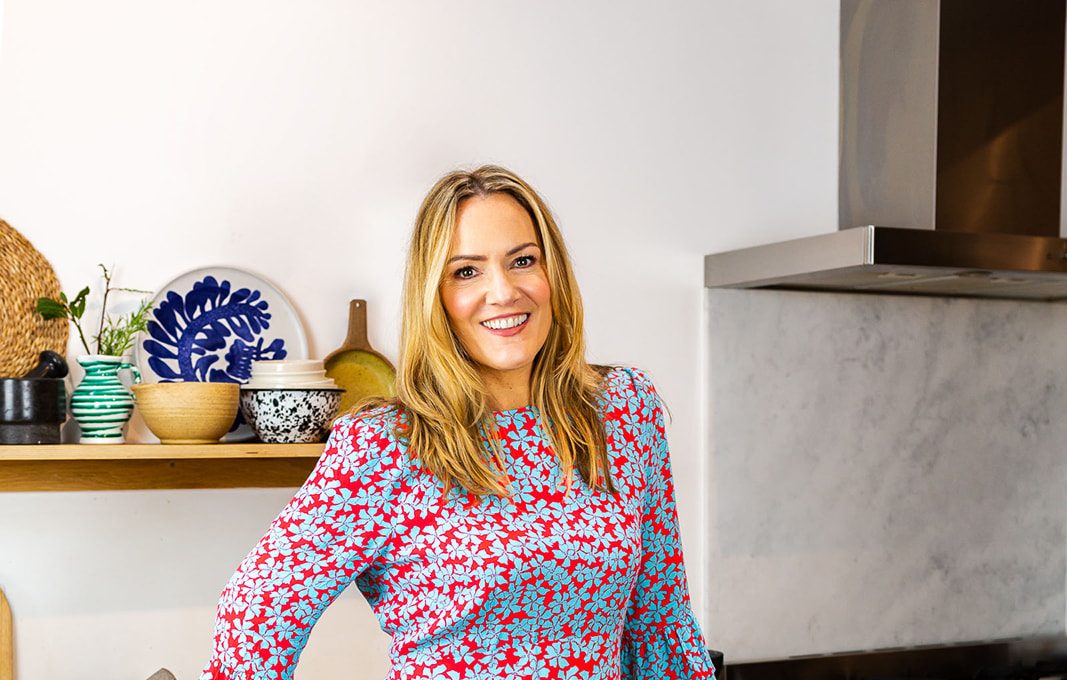
Lisa Marley is a celebrated plant-based chef, nutrition coach, and television presenter, renowned for creating flavorful, modern, and irresistible plant-based recipes inspired by her deep love of food.
Trained as a pastry chef at Westminster Kingsway College and accredited as a Level 4 Nutrition Coach by the Royal Society for Public Health, Lisa blends culinary artistry with nutritional expertise. This unique combination allows her to craft dishes that are not only delicious but also nourishing, bringing balance and creativity to every recipe she shares. Her work has been featured across major publications and media platforms, earning acclaim for both taste and innovation.
Lisa has performed professional demonstrations and product launches for leading brands, including KitchenAid, Morphy Richards, Tesco Real Food, and Britannia Living, among others. Her inspirational recipes have appeared on Channel 5, ITV, and in top-tier publications such as ELLE, WW, Vegan Food & Living, Time Out, Take a Break, and Cosmopolitan, where she regularly delivers virtual plant-based masterclasses to engaged audiences.
Beyond print and television, Lisa shares her passion through live cook-alongs, podcasts, food festivals, and interactive demonstrations, bringing plant-based cooking to life for audiences everywhere.
Lisa is also a dedicated advocate for sustainable and healthy eating. She serves as an ambassador and trainer for ProVeg UK, helping schools across the country create healthier, more sustainable menus that save money and support the planet. She is equally passionate about Love Food Hate Waste, championing initiatives to reduce food waste and combat climate change. Through her work, Lisa Marley continues to inspire, educate, and delight—making plant-based cooking accessible, exciting, and deeply impactful for all who experience it.
Lisa, so many people see fitness as a short-term fix—chasing aesthetics over sustainability. How do you reframe that narrative for your clients so they build a body that not only looks strong, but truly feels strong and resilient for the long run?
I always tell my clients: aesthetics are a byproduct, not the goal. When you chase a look, you’re setting yourself up for disappointment because it’s never enough. But when you focus on how you feel—your energy levels, your sleep quality, how confidently you move through life—everything changes.
I reframe fitness as building a body that serves you for decades, not just for summer. We focus on functional strength, mobility, and creating sustainable habits that fit into real life. When my clients can carry their shopping without strain, play with their kids without getting winded, or simply feel energized throughout the day, that’s when they realize strength isn’t about a six-pack—it’s about freedom and capability. The confidence and the aesthetic results follow naturally when you prioritize feeling strong overlooking a certain way.
You specialise in behaviour change as much as physical training. What are the biggest mindset shifts that transform someone from ‘trying to get fit’ into someone who actually embodies a lifestyle of strength and wellbeing?
The biggest shift is moving from “I have to” to “I get to.” When exercise feels like punishment or restriction, it’s unsustainable. But when clients start seeing their workouts as acts of self-respect and their nutrition as fuel rather than deprivation, everything clicks.
Another critical shift is detaching identity from outcomes. Instead of “I want to lose weight,” it becomes “I am someone who moves my body daily” or “I am someone who nourishes myself well.” When you change your identity, your behaviours naturally align.
I also work on helping clients understand that consistency beats perfection every single time. It’s not about doing everything perfectly—it’s about showing up imperfectly but consistently. That’s where real transformation happens. When someone stops waiting for Monday or the perfect moment and just starts where they are, they’ve already won half the battle. I write about this on my website She Would. as well as recipes, it’s a resource for women.
Your programmes don’t just focus on the workout—they go deep into reducing inflammation, boosting energy, and improving mobility. Can you share why addressing these often-overlooked areas is critical for long-term performance and vitality?
You can’t out-train a bad diet, inflammation or poor recovery. I see so many people, especially women over 40, pushing themselves harder in the gym while ignoring the foundations—sleep, stress management, anti-inflammatory nutrition, and mobility work. They’re exhausted, inflamed, and wondering why they’re not seeing results.
Inflammation is at the root of so many issues—joint pain, brain fog, stubborn weight, low energy. As a trained chef, I have a passion for food. When we address it through whole-food, plant-forward nutrition and proper recovery, clients feel the difference within weeks. Their energy soars, their bodies respond better to training, and they actually enjoy moving again.
Mobility is equally crucial. What’s the point of being strong if you can’t move well? Poor mobility leads to compensation patterns, which lead to injury. I incorporate mobility work into every programme because it’s not just about adding years to your life—it’s about adding life to your years. I want my clients moving freely and confidently well into their 70s, 80s, and beyond.
In both the UK and Spain, you’re working with clients who lead very different lifestyles. What cultural or lifestyle differences have you noticed when it comes to health and fitness, and how do you tailor your coaching to meet those unique needs?
The differences are fascinating. In Spain, there’s a more relaxed approach to life—longer meals, late dinners, more social movement like walking. Food is central to culture and community. In the UK, I see more of a rush culture—grab-and-go meals, eating at desks, exercise squeezed into busy schedules.
Spanish clients often need help with structure and intensity in their training, while UK clients need help slowing down and incorporating more incidental movement and mindful eating.
I tailor my coaching by meeting clients where they are culturally. For Spanish clients, I embrace the social aspect of food and teach them how to make traditional meals more nutrient-dense. For UK clients, I focus on meal prep strategies that fit their fast-paced lives and help them find pockets of movement throughout the day.
The beauty of online coaching is that I can adapt to anyone’s lifestyle, anywhere. It’s never about forcing a rigid system—it’s about creating sustainable habits within their unique context.
We live in an age where motivation fades quickly—people fall off track just as fast as they start. What’s your secret to keeping clients not only accountable, but genuinely inspired to keep showing up for themselves week after week?
Motivation is fleeting—I tell my clients that upfront. We don’t rely on motivation; we build systems and identity instead. My secret is making it so easy to show up that there’s no excuse not to.
I keep clients inspired by celebrating small wins constantly. Did you get stronger this week? Did you choose the nourishing option when you were stressed? Did you move your body even when you didn’t feel like it? These are victories worth acknowledging.
I also keep things varied and interesting. Boredom kills consistency, so I’m constantly evolving programmes, introducing new challenges, and connecting fitness to what matters to them personally—whether that’s keeping up with their kids, feeling confident on holiday, or having energy for their business.
Most importantly, I check in regularly and create genuine connections. My clients know I’m invested in their success, and that accountability loop keeps them showing up even on the hard days.
If you could leave listeners with one golden rule for creating a body and mindset that feels energised, efficient, and future-proof—what would that be, and why does it matter now more than ever?
Invest in your body like you invest in your career or relationships—consistently, patiently, and for the long haul. You don’t get promoted after one good day at work, and you don’t build a resilient body with one good workout.
The golden rule is this: Do something for your body every single day that your future self will thank you for.
It matters now more than ever because we’re living longer, but not necessarily healthier. Chronic disease, burnout, and loss of independence are epidemic. The choices you make today—how you move, what you eat, how you manage stress—determine your quality of life in 20, 30, 40 years.
Your body is the only place you have to live. Treat it with the respect and care it deserves, not just for how it looks, but for how it allows you to show up fully in your life.