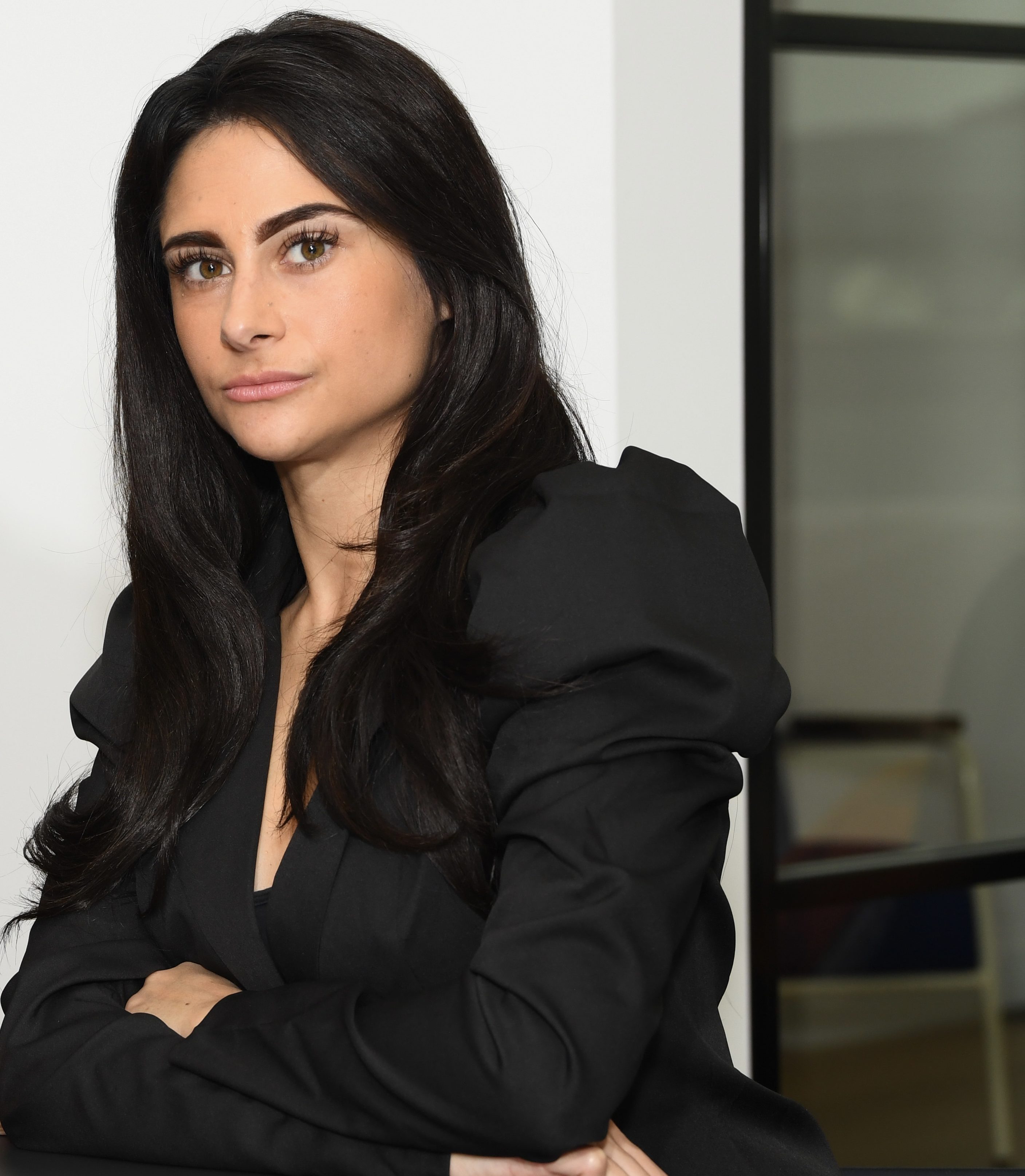
Carina Lepore’s journey is one defined by resilience, faith, and an unwavering commitment to legacy. Her early career at Marks & Spencer provided her with a deep understanding of leadership, structure, and commercial discipline, exposing her to the power of clear processes, accountability, and data-driven decision-making at scale. It was there that she learned leadership is not simply about vision or ambition, but about building systems that empower people to perform at their best. Those lessons later became instrumental when she returned to her family’s bakery, applying corporate structure to an entrepreneurial environment.
For Carina, business has never been just about profit, it’s about people and legacy. Stepping into leadership within a family enterprise required emotional intelligence as much as commercial clarity. She understands that when family is involved, legacy must come before ego. Her approach blends empathy with decisiveness, ensuring that the business protects both its heritage and its future.
A woman of deep faith, Carina believes that while our paths may be written, we still have a responsibility to show up fully. For her, faith is active, trusting in God and the universe while committing to disciplined execution. She believes opportunity meets those who are prepared to work for it.
Emerging from The Apprentice into the uncertainty of a global pandemic tested her resolve. It forced her to pivot quickly, adapt under pressure, and lean into community. That chapter strengthened her resilience and sharpened her leadership, reinforcing her belief that people connect with authenticity over perfection.
Today, Carina defines success as ownership, alignment, and sustainability. Bringing the business firmly back into family hands meant building something that supports life rather than consumes it. She is a passionate advocate for women building businesses on their own terms, reminding them that success does not have to be glossy or headline-making to be meaningful if it reflects your values, serves your community, and creates freedom, it matters.
You’ve been entrepreneurial since your teens, but your journey wasn’t linear, from fashion to corporate, then into the family bakery. What did that season in Marks & Spencer teach you about leadership and structure that you couldn’t have learned by staying entrepreneurial the whole time?
Working at Marks & Spencer gave me an education in leadership and structure that I couldn’t have gained by staying purely entrepreneurial. In a large organisation, you see how clear processes, accountability, and data-driven decision-making create consistency at scale. I learned that strong leadership isn’t just about vision or hustle, but about building systems that support people, set clear expectations, and allow teams to perform at their best. It also sharpened my commercial awareness — understanding margins, forecasting, and long-term planning — which later became invaluable when I returned to the family bakery and applied that structure to an entrepreneurial environment.
When your father’s bakery burned down, you stepped in during one of the darkest moments for your family. How do you lead when the business is emotional, personal, and tied to legacy, not just profit?
When it’s family, legacy comes before ego or profit. In that moment, leadership was about staying steady, listening, and making clear decisions that protected both the people and what the business stood for. You can’t separate emotion from the work — you just have to lead with empathy while still giving everyone confidence that there’s a way forward.
You talk about the law of attraction and seeing Lord Sugar’s car as a sign, but behind that moment was serious preparation. How do you balance belief with execution when you’re chasing something bigger than you?
I believe our paths are already written, but we still have a responsibility to show up fully. Faith, for me, isn’t passive — it’s about trusting God and the universe while doing the work every single day. The belief keeps you aligned and focused, but execution is what proves you’re ready when the opportunity arrives. You can’t ask for something bigger than you and not put in the effort to meet it halfway.
Coming out of The Apprentice into a global pandemic tested everything. What did that period teach you about adaptability, community, and the kind of founder you needed to become?
Coming out of The Apprentice straight into a global pandemic tested everything. It forced me to adapt quickly, let go of rigid plans, and focus on what really mattered in the moment. I learned the power of community, that people support people, not just products, and that honesty and visibility build trust. That period shaped me into a more decisive, resilient founder who can pivot under pressure and lead through uncertainty.
You’ve since bought back the business and returned it fully to the family. What does success look like to you now, and what would you say to women building businesses that don’t follow a perfect growth story but still matter deeply?
Success to me now is ownership, freedom, and alignment. Bringing the business back into the family meant building something that supports our lives, not consumes them. It’s about sustainability, pride in the work, and being present, not just chasing scale for the sake of it.
To women building businesses without a perfect growth story: your journey is still valid. Not every business needs to be fast, glossy, or headline-worthy to matter. If it feeds your family, serves your community, and reflects your values, that is success. Build something that works for you, not someone else’s version of the dream.