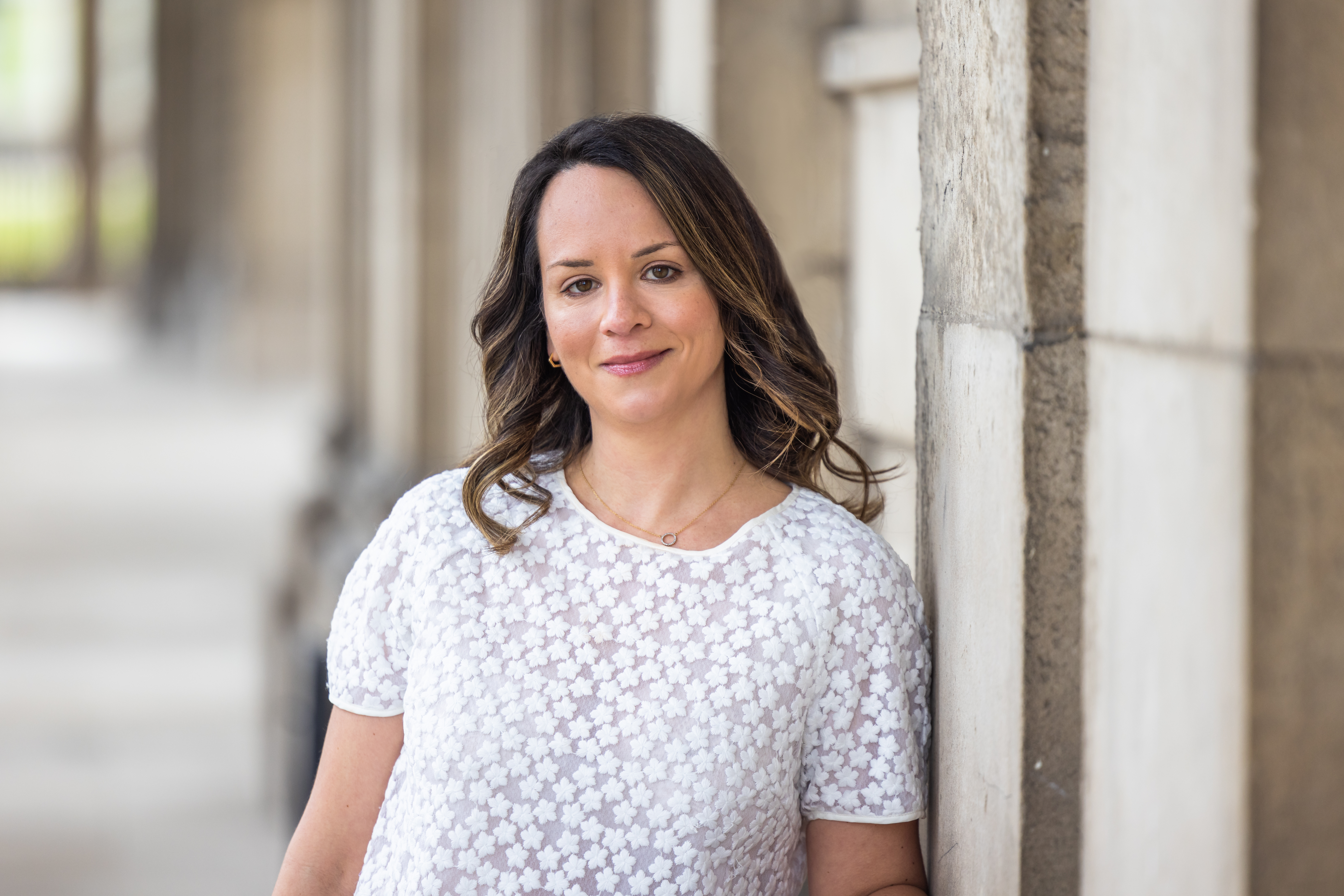
Mariana Lopes, the founder of Mariana Mindfulness, is a passionate advocate for the transformative power of mindfulness in achieving a balanced and fulfilling life. Her journey began when she faced overwhelming stress and anxiety during a significant life change event. It was through the practice of mindfulness that Mariana discovered a path to resilience and well-being.
Motivated by her personal experience, Mariana founded Mariana Mindfulness with the mission to empower others on their wellness journey. Drawing from her own struggles and triumphs, she curates mindfulness strategies and programmes designed to make this transformative practice accessible to everyone.
Mariana’s approach is rooted in authenticity and relatability, aiming to demystify mindfulness and integrate it seamlessly into people’s daily lives. Her vision is to create a community where individuals can find solace, resilience, and a profound sense of fulfilment through the practice of mindfulness.
As a dedicated mindfulness teacher, Mariana continues to inspire and guide others, sharing the tools and techniques that helped her overcome challenges and embrace a more harmonious way of living. Through Mariana Mindfulness, she invites individuals to embark on a journey towards lasting well-being, one mindful moment at a time.
Can you share a brief overview of your career journey and the key milestones that have led you to your current leadership role?
My professional journey has been a dynamic exploration of fostering positive work environments and personal well-being. Beginning as an Employment Relations Manager, I played a pivotal role in managing workplace relations, resolving conflicts, and championing employee engagement. It was during this time that I recognised the profound impact of mindfulness on individual and collective well-being.
My journey took a transformative turn as I delved into the world of mindfulness. Struggling with the complexities of modern work life, I discovered the power of mindfulness in alleviating stress and enhancing overall happiness. This realization became a turning point, propelling me towards a new mission.
Embracing this passion, I transitioned to establish my own business, offering bespoke Mindfulness training to individuals and companies. This venture represents a significant milestone, aligning my expertise in employment relations with a holistic approach to well-being. Today, as a leader in the field of Mindfulness training, I am dedicated to empowering individuals and organizations to cultivate a culture of mindfulness, resilience, and sustained success.
What do you believe are the most important qualities or attributes that a successful business leader should possess, and how do you embody them in your leadership style?
As I reflect on the qualities crucial for successful business leadership, I firmly believe in the power of empathy, mindful leadership, and the art of mindful listening. Empathy, the ability to understand and share the feelings of others, forms the cornerstone of effective leadership. It fosters genuine connections, promotes a positive workplace culture, and strengthens team dynamics.
Mindful leadership goes hand in hand with empathy, emphasising a present and intentional approach to decision-making. Being attuned to the current moment allows for thoughtful responses, strategic vision, and the ability to navigate challenges with resilience. Mindful leadership transcends the frenetic pace of business, ensuring a balance between productivity and the well-being of individuals and the organisation as a whole.
Central to my leadership style is mindful listening – a practice that involves not just hearing but truly understanding the perspectives and concerns of team members, clients, and stakeholders. By cultivating a space for open communication and active listening, I aim to foster an inclusive and collaborative environment where every voice is valued.
In essence, successful leadership, in my view, requires a harmonious blend of empathy, mindful leadership, and the skill of mindful listening. These qualities not only contribute to the success of the business but also create a workplace where individuals thrive and contribute their best towards shared goals.
Can you describe a significant challenge or setback you’ve encountered in your career, and how did you overcome it to achieve your goals?
Embarking on the journey of setting up my mindfulness business brought with it a significant challenge—navigating the complexities of sales strategies. Initially, I found myself grappling with the intricacies of promoting mindfulness training to individuals and companies. The process felt overwhelming, and I realised I needed strategic guidance to propel my business forward.
Recognising the importance of seeking support, I took the courageous step of acquiring a mentor. This decision marked a turning point in my entrepreneurial journey. Having a seasoned mentor by my side provided invaluable insights, actionable strategies, and a roadmap to refine my sales approach. It brought a sense of clarity to the process and empowered me with the tools needed to overcome hurdles.
Setting up a business can indeed be a lonely experience, filled with uncertainties and challenges. However, acknowledging the need for external guidance is a sign of strength and adaptability. With the mentorship in place, I not only refined my sales strategies but also gained a broader perspective on business operations, client engagement, and sustainable growth.
This experience taught me the importance of humility and the willingness to seek help when needed. In overcoming this challenge, I not only enhanced my sales capabilities but also cultivated a network of support, creating a foundation for the continued success of my mindfulness business. The journey may be daunting, but the courage to reach out for guidance can make all the difference in transforming setbacks into stepping stones towards achieving our goals.
In a rapidly changing business landscape, how do you stay informed about industry trends and adapt your strategies to remain competitive?
I try to regularly engage in professional development activities, attending conferences, webinars, and industry events keeps me abreast of the latest trends. Networking with peers and experts provides valuable insights into emerging practices and innovations.
Conducting ongoing market research allows me to identify shifts in customer preferences, competitor strategies, and emerging technologies. This information is crucial for making informed decisions and anticipating changes in the business landscape.
I also subscribe to industry publications, reports, and newsletters ensures a steady influx of relevant information. Staying connected to reputable sources helps me track market dynamics, consumer behaviour, and global trends affecting the industry. as well as establishing cross-functional collaborations within the organisation fosters a culture of collective intelligence.
I actively seek and analyse customer feedback provides insights into evolving needs and expectations. By maintaining open channels of communication with customers, I can adapt products, services, and strategies to align with their preferences.
What is your approach to building and leading high-performing teams, and how do you motivate your team members to achieve their best potential?
My approach to building and leading high-performing teams centres on fostering a collaborative and empowering environment that encourages individual growth and collective success.
Building a positive and inclusive team culture where every member feels valued and heard contributes to higher morale and motivation. A positive culture fosters creativity, innovation, and a sense of camaraderie
How do you balance short-term financial goals with long-term strategic planning for the growth and sustainability of your business?
As a woman navigating the realm of micro-business, the balance between short-term financial goals and long-term strategic planning is a delicate dance. It’s about weaving financial prudence with a vision for sustained growth and personal fulfilment.
In the short term, my focus is on the immediate financial health of the business. This involves managing cash flow, ensuring timely payments, and making agile decisions to adapt to market changes.
My approach to long-term planning is deeply personal. It’s about sustainability that extends beyond financial metrics. I consider the impact on my personal life, my well-being, and the broader community. This feminine touch involves nurturing relationships, building a business that is an extension of my identity, and contributing positively to the ecosystem in which it operates.
Can you share an example of a major decision you had to make that had a significant impact on your organisation? What was the outcome, and what did you learn from the experience?
One significant decision I grappled with in my role was recognising the need for a more effective sales strategy for our organisation. Despite our expertise in my field, we were facing challenges in reaching our target audience and converting leads into clients. The decision at hand was whether to continue with our existing approach or seek external assistance to revamp our sales strategy.
The consultant provided insights, data-driven approaches, and innovative techniques that reshaped our sales processes.
This decision taught me the importance of humility in leadership, and it emphasised the power of collaboration and the positive impact of seeking help when facing challenges beyond our immediate expertise.
What role does innovation play in your business strategy, and how do you foster a culture of innovation within your organisation?
In my mindfulness-focused business, innovation is pivotal to staying relevant and responsive to the evolving needs of individuals and organisations seeking well-being solutions. We embrace innovation by constantly exploring new techniques, technologies, and formats to deliver mindfulness practices. This involves encouraging creative thinking and openness to experimentation.
How do you handle ethical dilemmas and make difficult decisions when they arise in your role as a business leader?
In my mindfulness business leadership, ethical dilemmas are approached with a mindful lens. I prioritise values alignment, seeking solutions that resonate with our commitment to well-being, transparency, and integrity. Regular self-reflection and open communication with clients and companies contribute to ethical decision-making, ensuring our actions align with our mindfulness principles.
Looking to the future, what are your top priorities and goals for your business, and what strategies do you plan to implement to achieve them?
My top priorities are making mindfulness accessible and integrated into daily lives. I plan to implement strategies such as developing user-friendly apps, expanding online resources, and creating tailored programs to reach a wider audience. The goal is to demystify mindfulness, making it a relatable and transformative practice for individuals seeking balance in their everyday lives.
https://www.instagram.com/mariana.mindfulness/